
The Evolution of UK Horse Racing Addressing the Challenges When Not On

UK horse racing is a beloved pastime that captivates millions of fans across the nation. The thrill of the race, the camaraderie of the crowd, and the excitement of placing a bet contribute to the unique culture that surrounds this sport. However, there are times when racing events are not on, posing challenges for both the avid racegoers and the betting community. This article delves into the implications of having no races and how enthusiasts can navigate this landscape. For those seeking alternatives, visit UK horse racing not on GamStop UK horse racing non GamStop bookies for options that keep the excitement alive even when the tracks are silent.
The Significance of Horse Racing in the UK
Horse racing in the UK has ancient roots, dating back to the Roman times. It has evolved into a multi-billion-pound industry, attracting not only local fans but also international audiences. Major events like the Grand National, Royal Ascot, and Cheltenham Festival are steeped in tradition and draw significant attention. The atmosphere at these events is electric, with vibrant crowds and sheer horse power tearing down the tracks.
Reasons for Racing Non-Events
There are several factors that can lead to horse racing events being cancelled or not scheduled. This can include:
- Weather Conditions: As with any outdoor sport, inclement weather can lead to race cancellations. Heavy rain, snow, or high winds can make tracks unsafe for both horses and jockeys.
- Health and Safety Regulations: Issues relating to horse welfare, health scares (such as outbreaks of diseases), or safety regulations can lead to the cancellation of events.
- Economic Factors: Financial difficulties for racecourses can also impact the scheduling of events. With the rise in costs and changes in betting patterns, some venues may not be able to host races.
- COVID-19 Pandemic: The global pandemic significantly affected the horse racing calendar, leading to numerous cancellations and changes in scheduling. Although the situation has improved, its impact is still felt in the industry.
Impact on Stakeholders in the Racing Community
The absence of races has wide-reaching consequences for various stakeholders involved in the horse racing community:
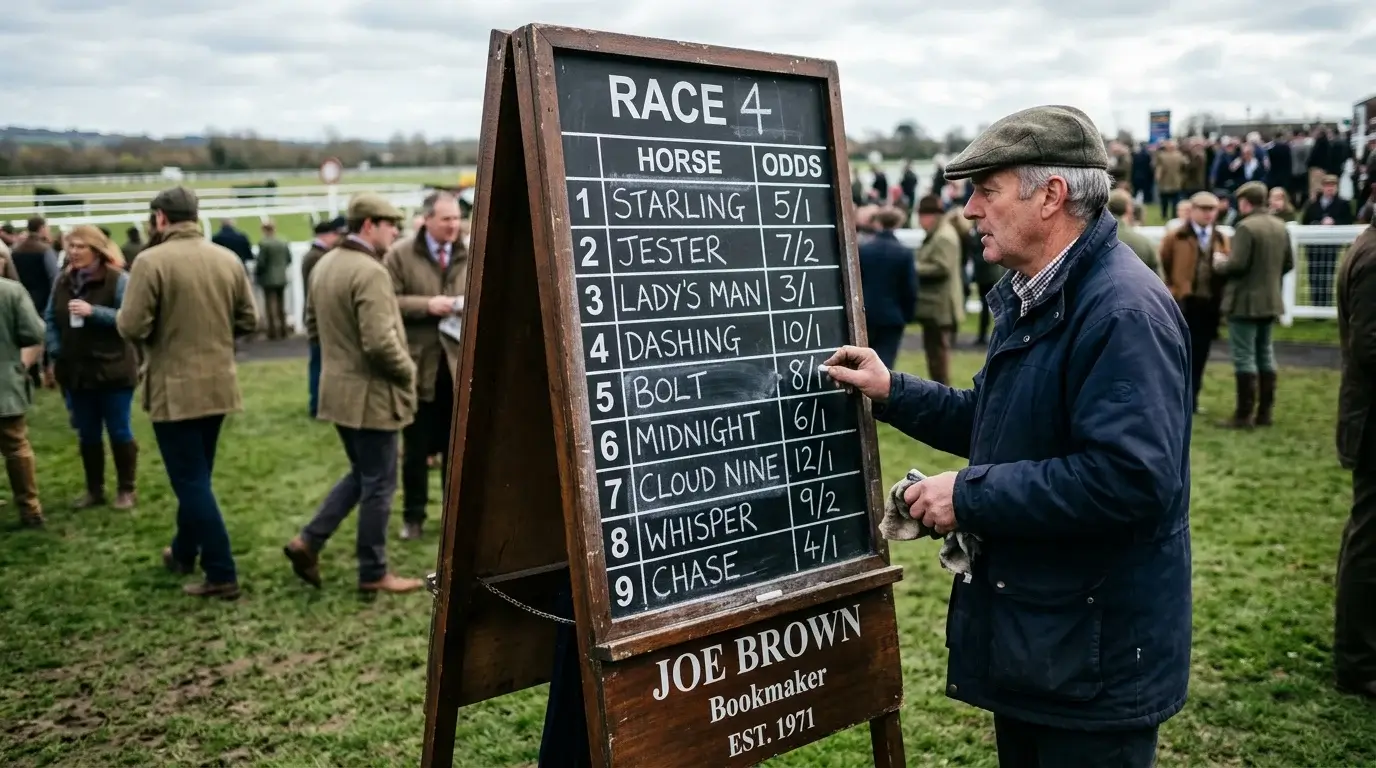
- Trainers and Jockeys: A lack of racing opportunities can hinder trainers looking to showcase their horses and support their careers. Jockeys, reliant on race days for their livelihoods, may face financial difficulties in times of cancellation.
- Betting Companies: Betting organizations thrive on race days, and cancellations mean lost revenue. This can impact the betting landscape, leading to fewer options for punters on non-race days.
- Sponsors and Advertisers: Without events, sponsors may have fewer opportunities to promote their brands and products, leading to potential financial impacts on the overall ecosystem of horse racing.
- Fans and Enthusiasts: The core followers of horse racing often find themselves at a loss when events are not on. The excitement of stake betting and cheering for their favorite horses is irreplaceable.
Alternatives During Off-Season or When Races are Not On
Despite the challenges that arise when racing is not scheduled, there are several alternatives and solutions for fans who wish to stay engaged with the sport:
- Virtual Racing: Some betting websites offer virtual racing, where computer-generated races allow punters to place bets on outcomes. While not the same as live races, it provides an alternative for those looking to engage in wagering.
- Betting on Other Sports: Many betting companies provide options for fans to wager on other sports like football, rugby, and greyhound racing. Diversifying betting interests can keep fans engaged during off-season periods.
- Training and Educational Resources: Fans can invest time in understanding more about training techniques, horse care, and race strategies, enriching their appreciation for the sport.
- Social Media and Online Communities: Engaging with fellow fans on social media platforms or dedicated racing forums can help maintain the community spirit despite the absence of live races.
The Role of Non-GamStop Bookmakers
For those who face restrictions or wish to explore alternative betting avenues, UK horse racing non GamStop bookies offer an excellent option. Non-GamStop bookmakers provide an avenue for bettors who may want to bet without being subject to the self-exclusion programs of GamStop. This can ensure that the excitement of betting on horse racing is still accessible, even when traditional routes may be limited.
Conclusion
While the UK horse racing scene may face challenges of empty schedules and events not on, the dedication of the community remains strong. Adaptation and innovation pave the way for fans to stay connected to the sport they love. By exploring alternatives such as virtual racing, diverse betting options, and engaging with fellow en

thusiasts, the essence of horse racing can endure despite temporary setbacks. As the industry continues to evolve, so too will the methods by which fans can immerse themselves in the world of racing.
